Yellow Brick Road Apartment · Interior Design, Residential · USA
A sanctuary of color
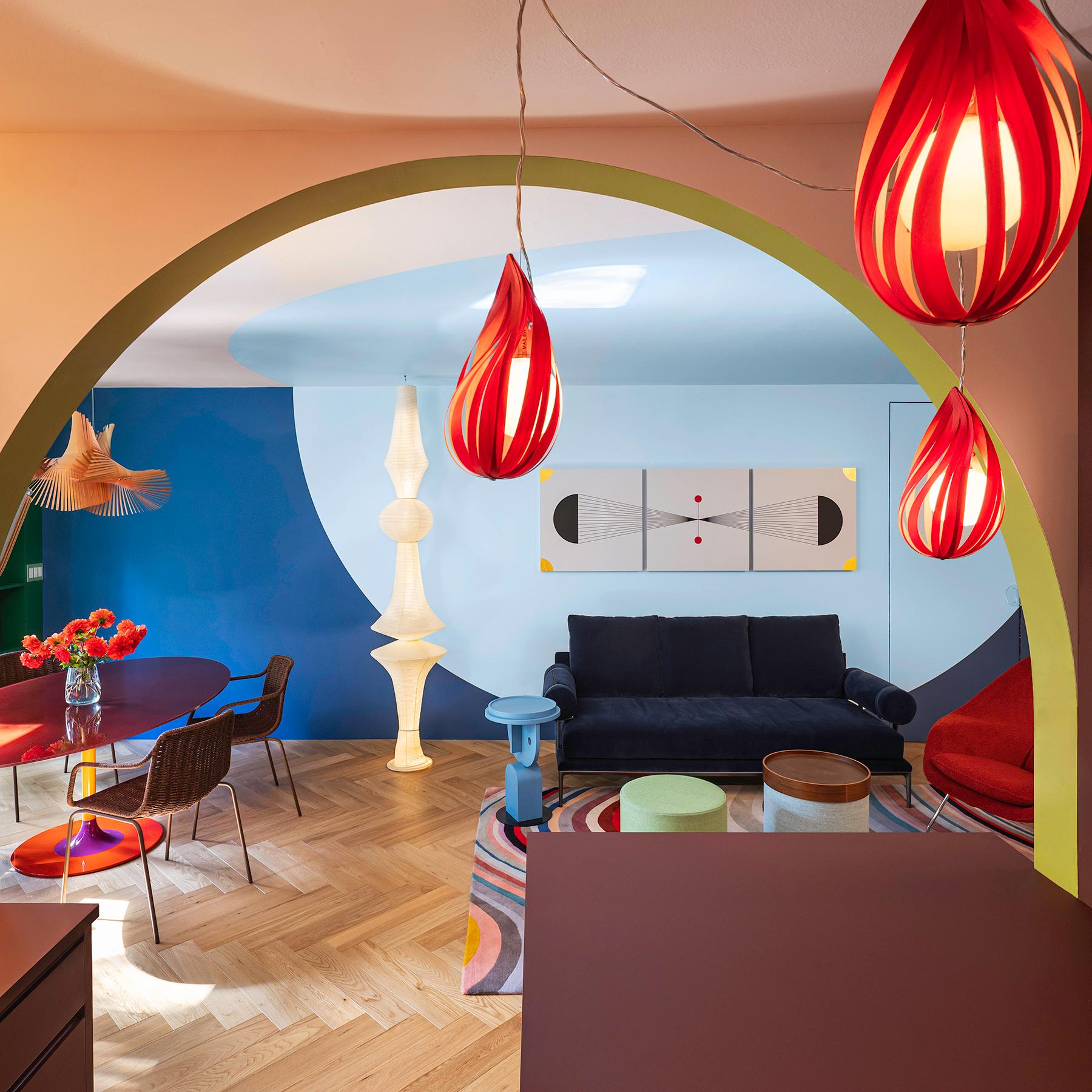
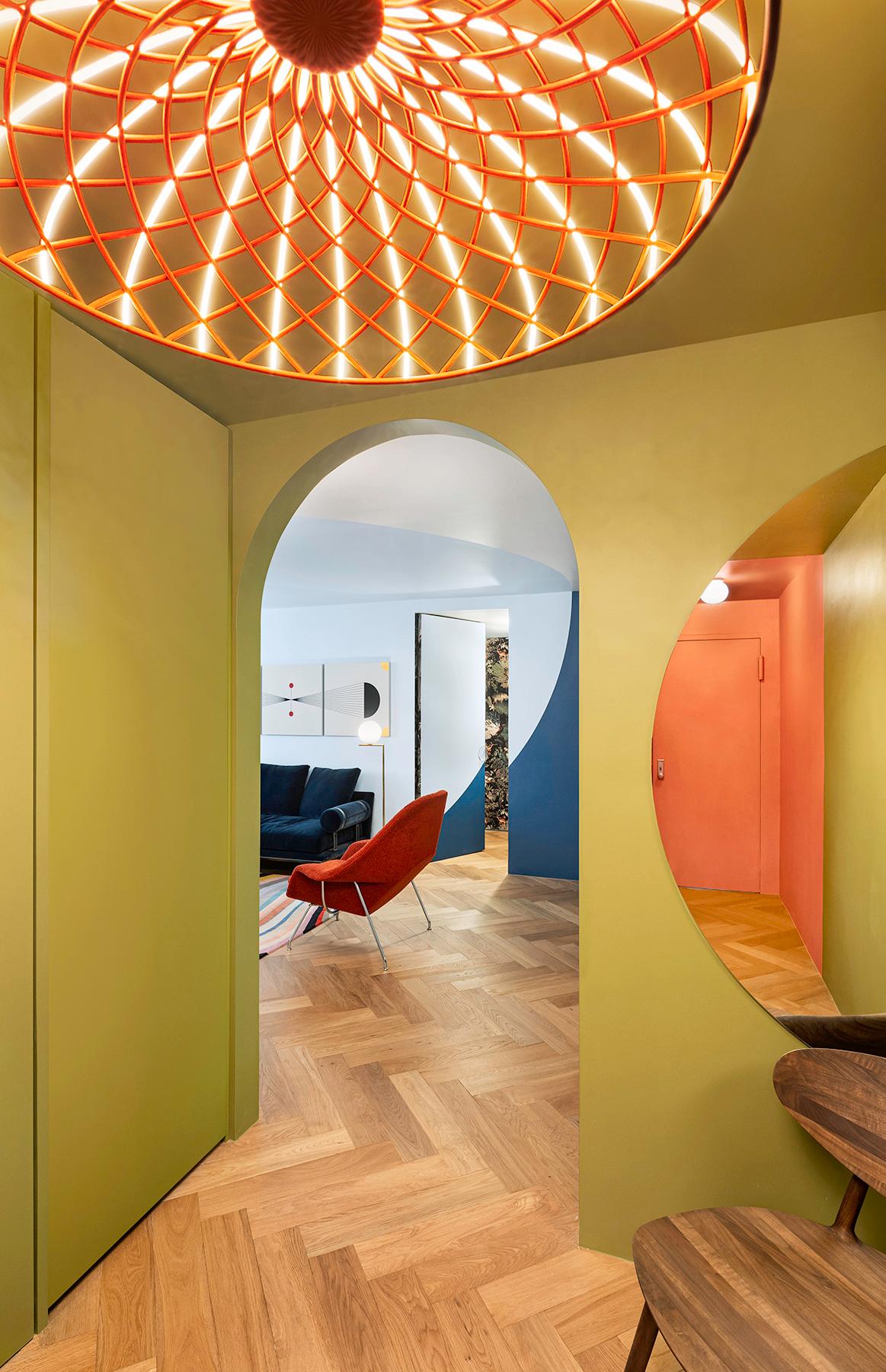
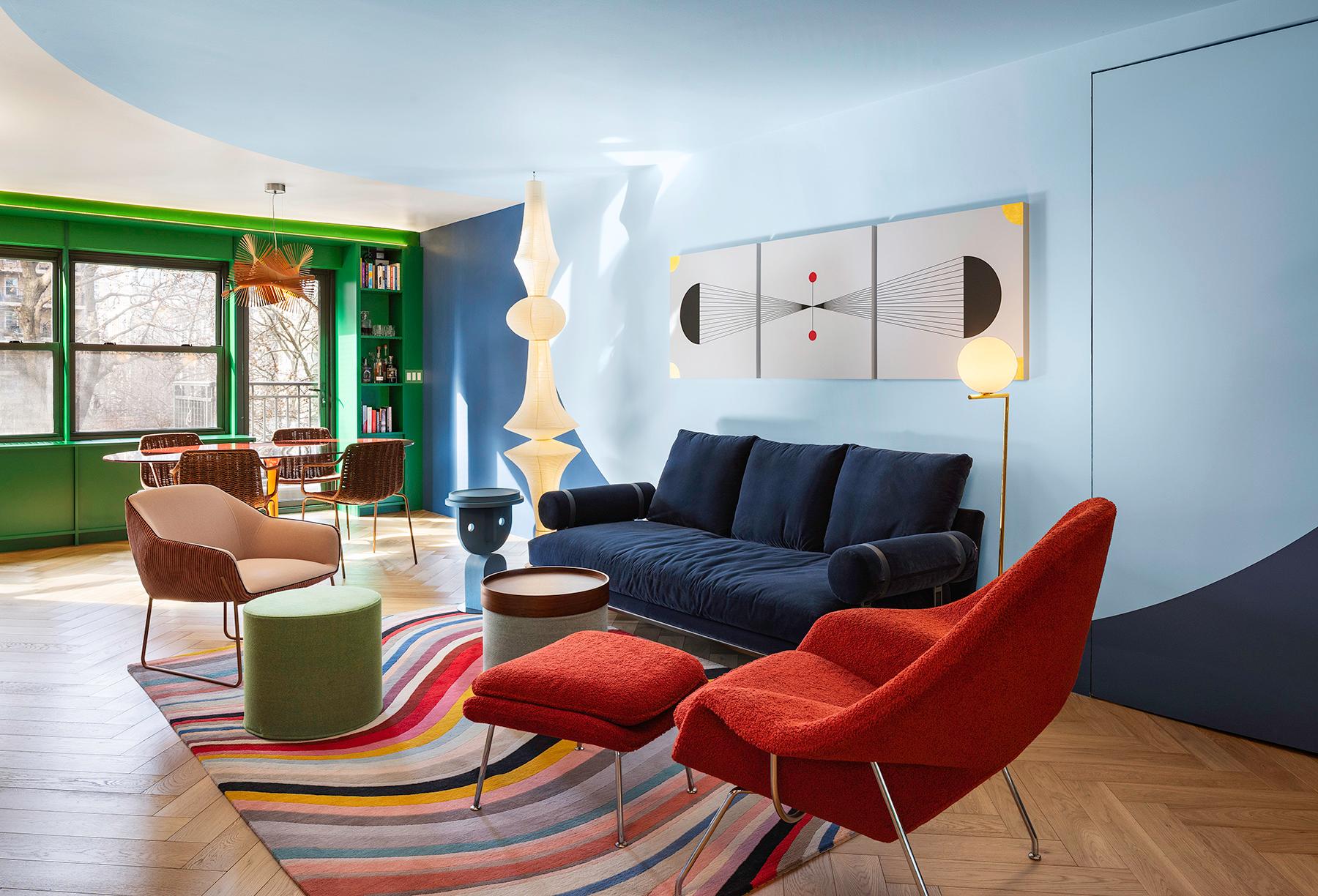
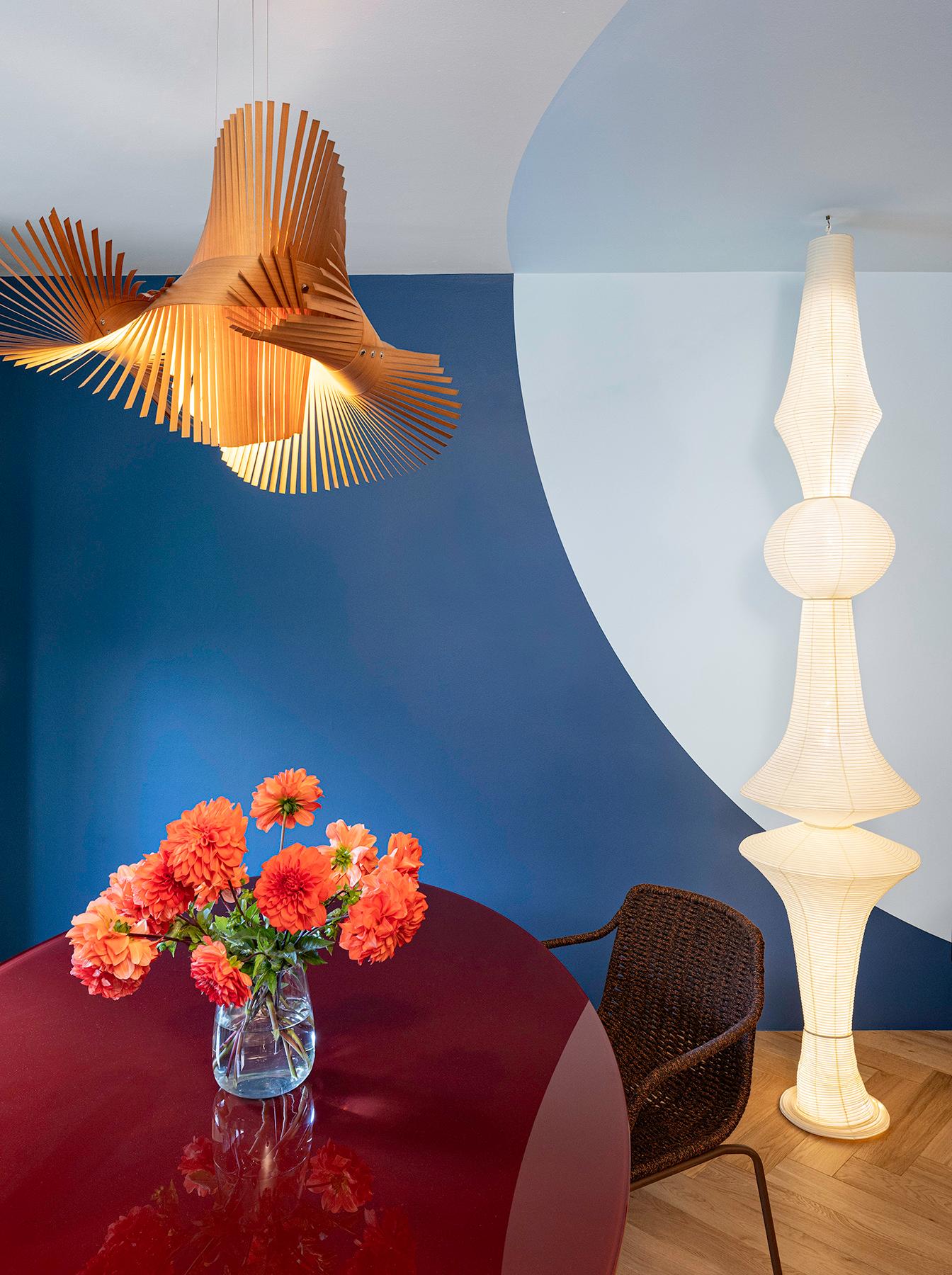
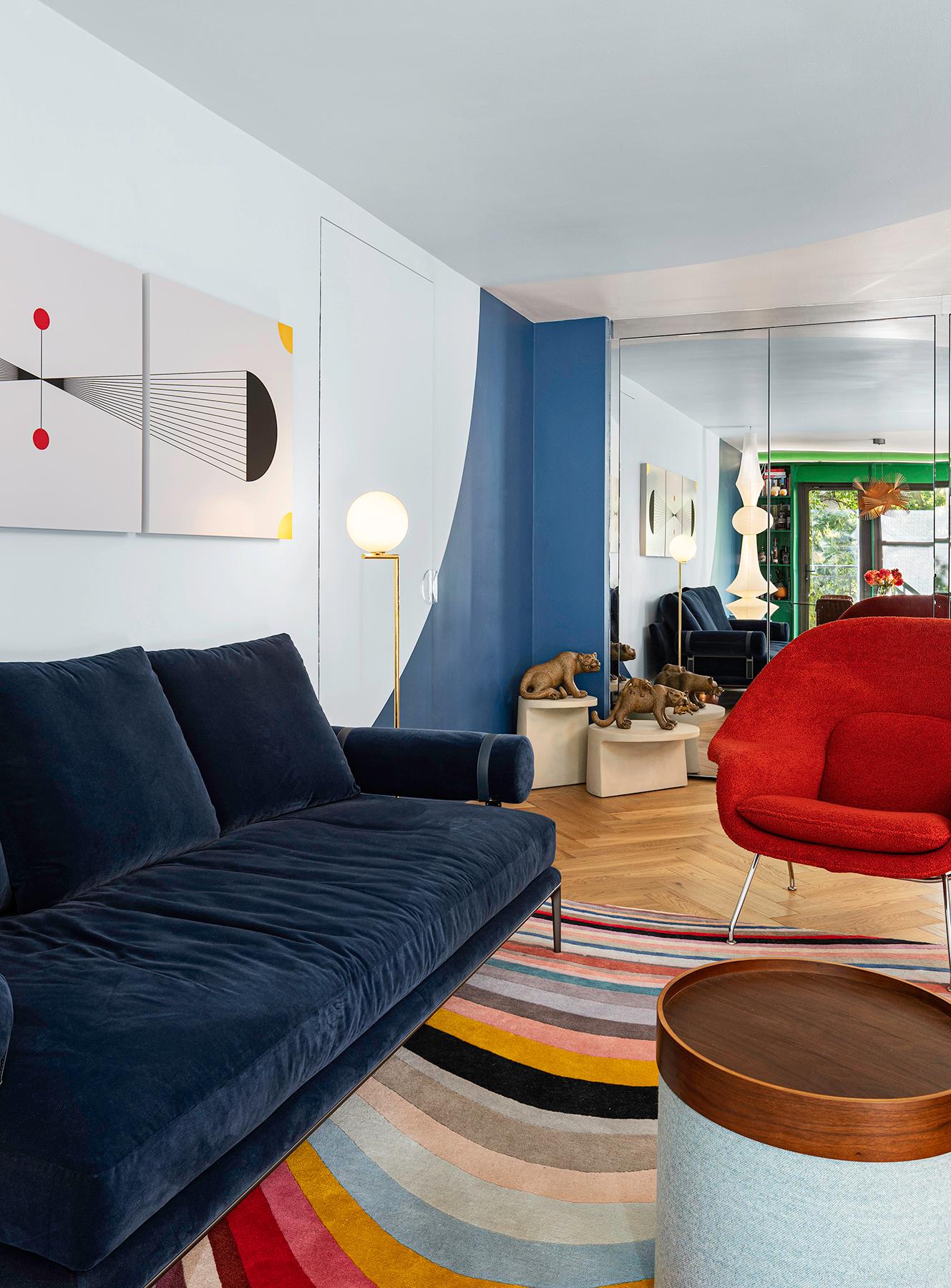
The renovation of this apartment in the heart of New York City explores color as a phenomenological tool.
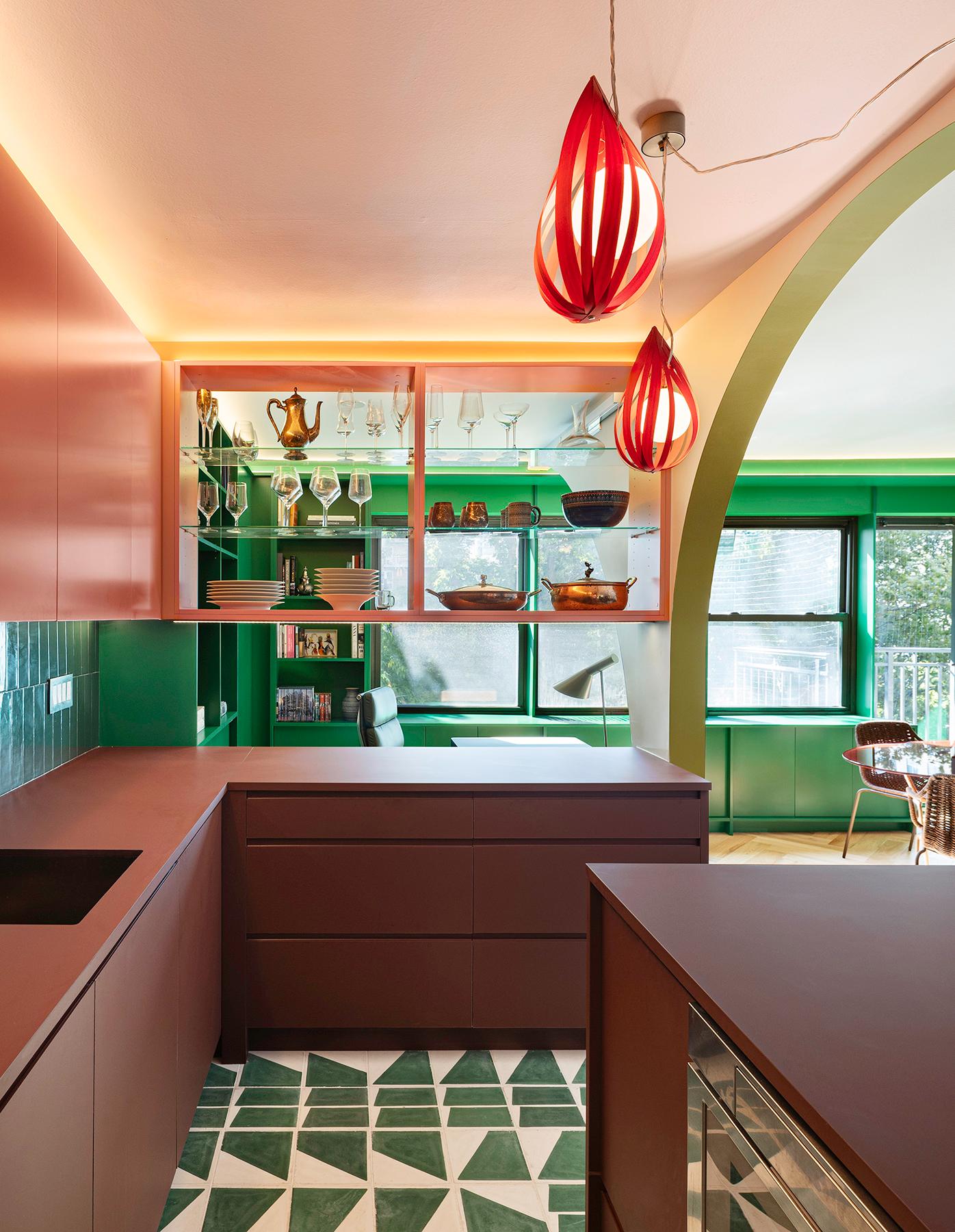
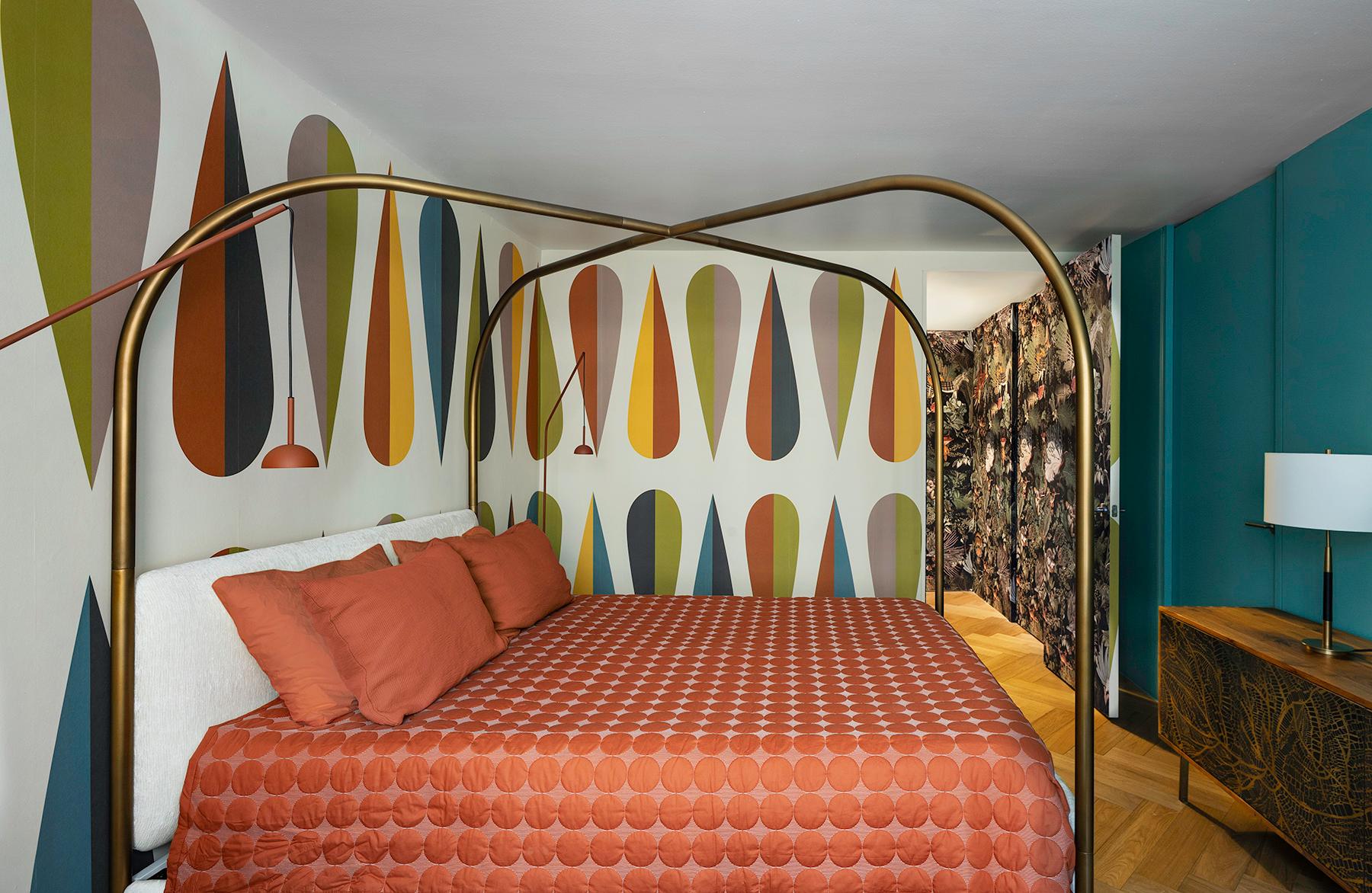
Conceived as a refuge from the intensity of New York, this home was envisioned as a warm, vital, and emotional space capable of offering tranquility. The client, a child psychologist, sought an interior that would bridge two places—Mexico and New York—using color in finishes and furniture to evoke memory, create identity, and provide a sense of belonging. In the context of this compact apartment, color becomes the project’s unifying narrative element, challenging the neutral palettes often associated with urban living.
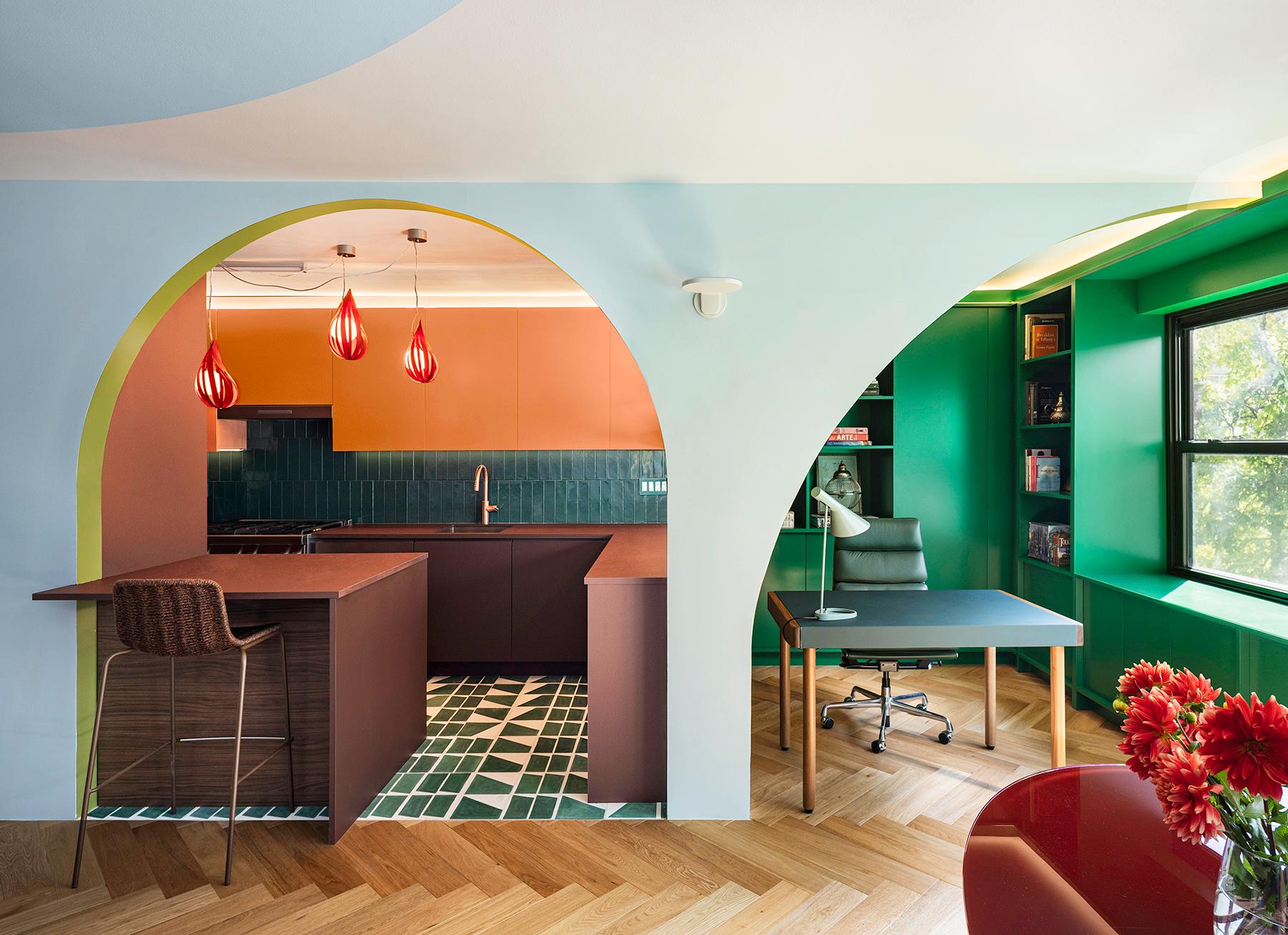
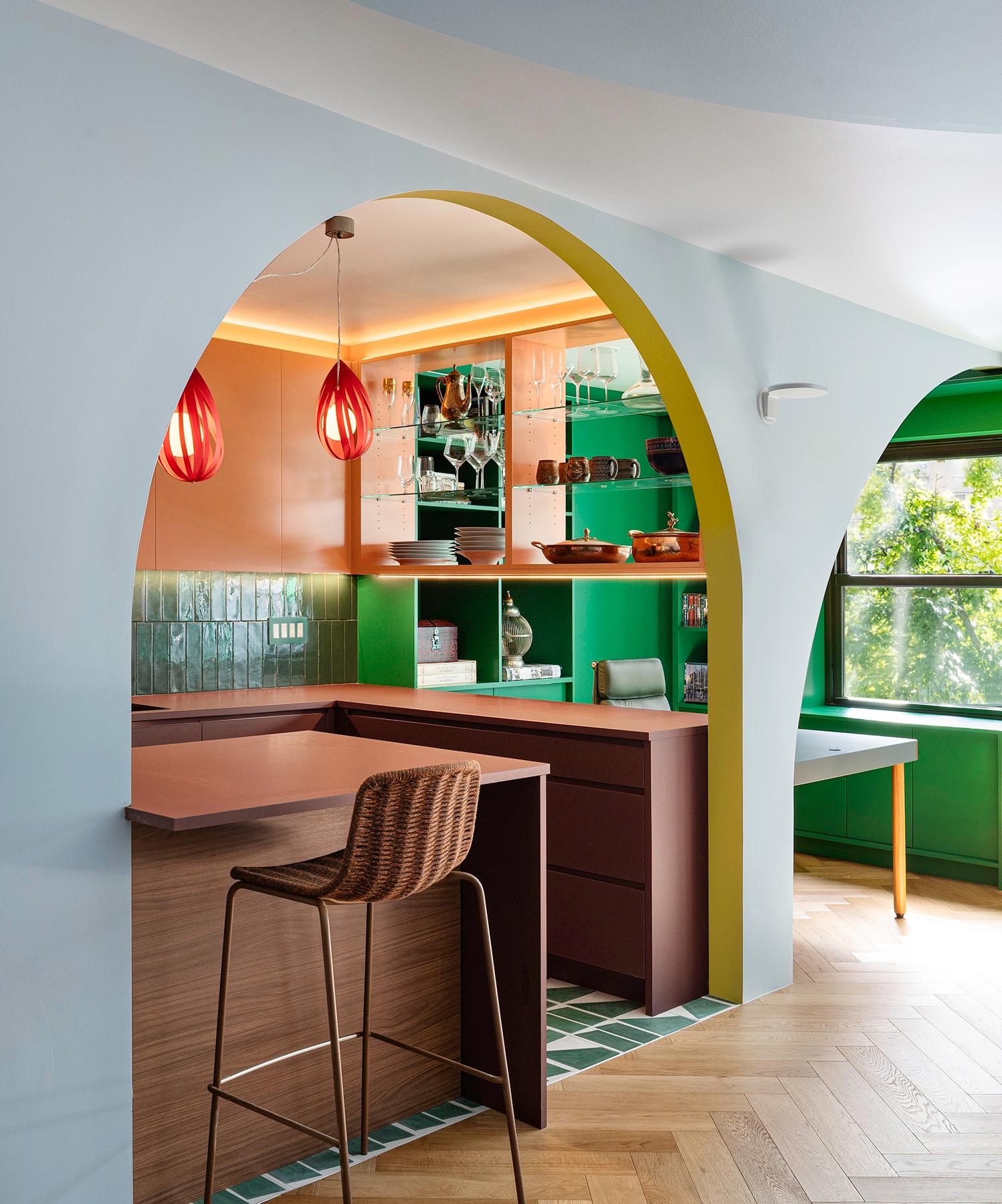
GEOMETRY AND COLOR
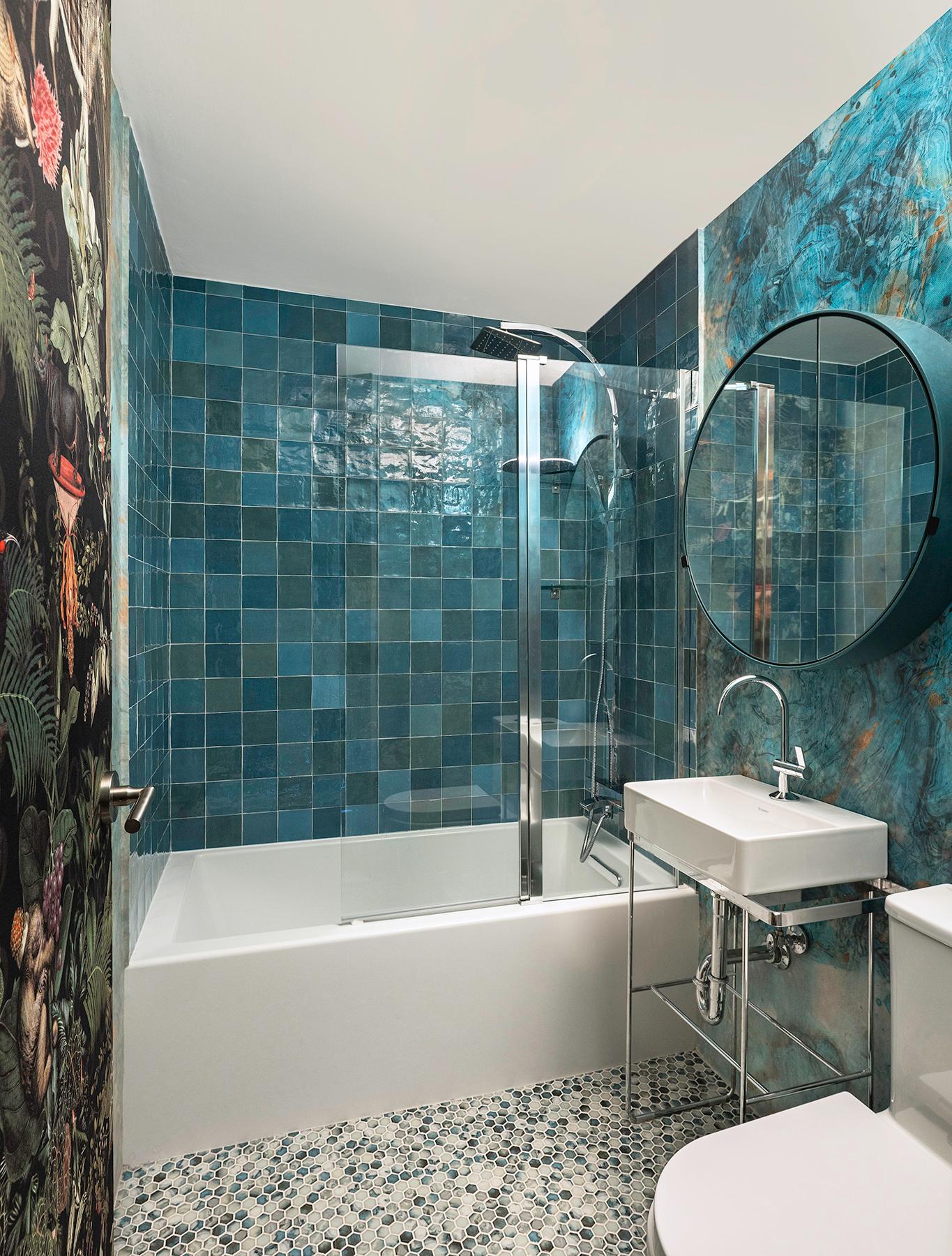
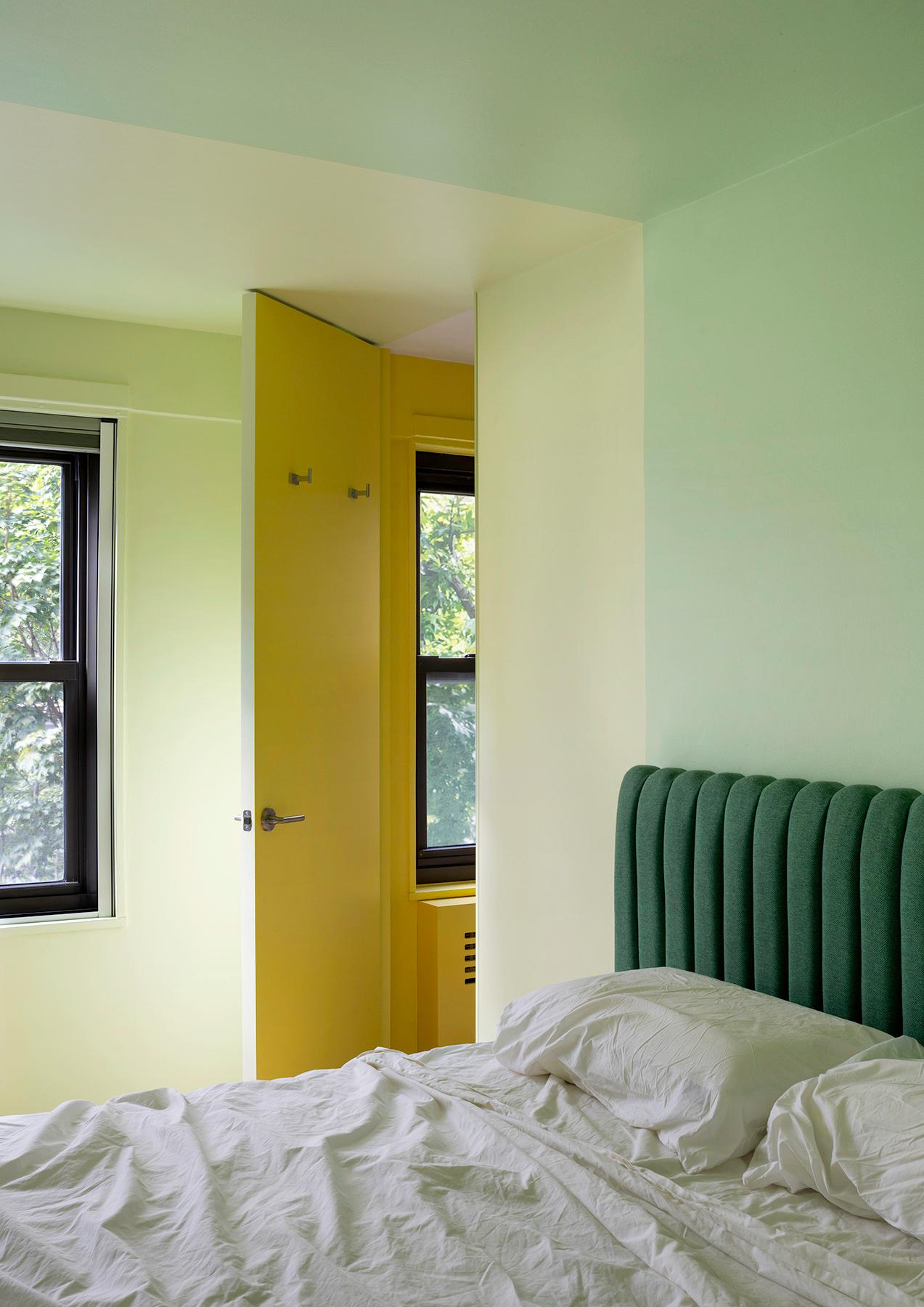
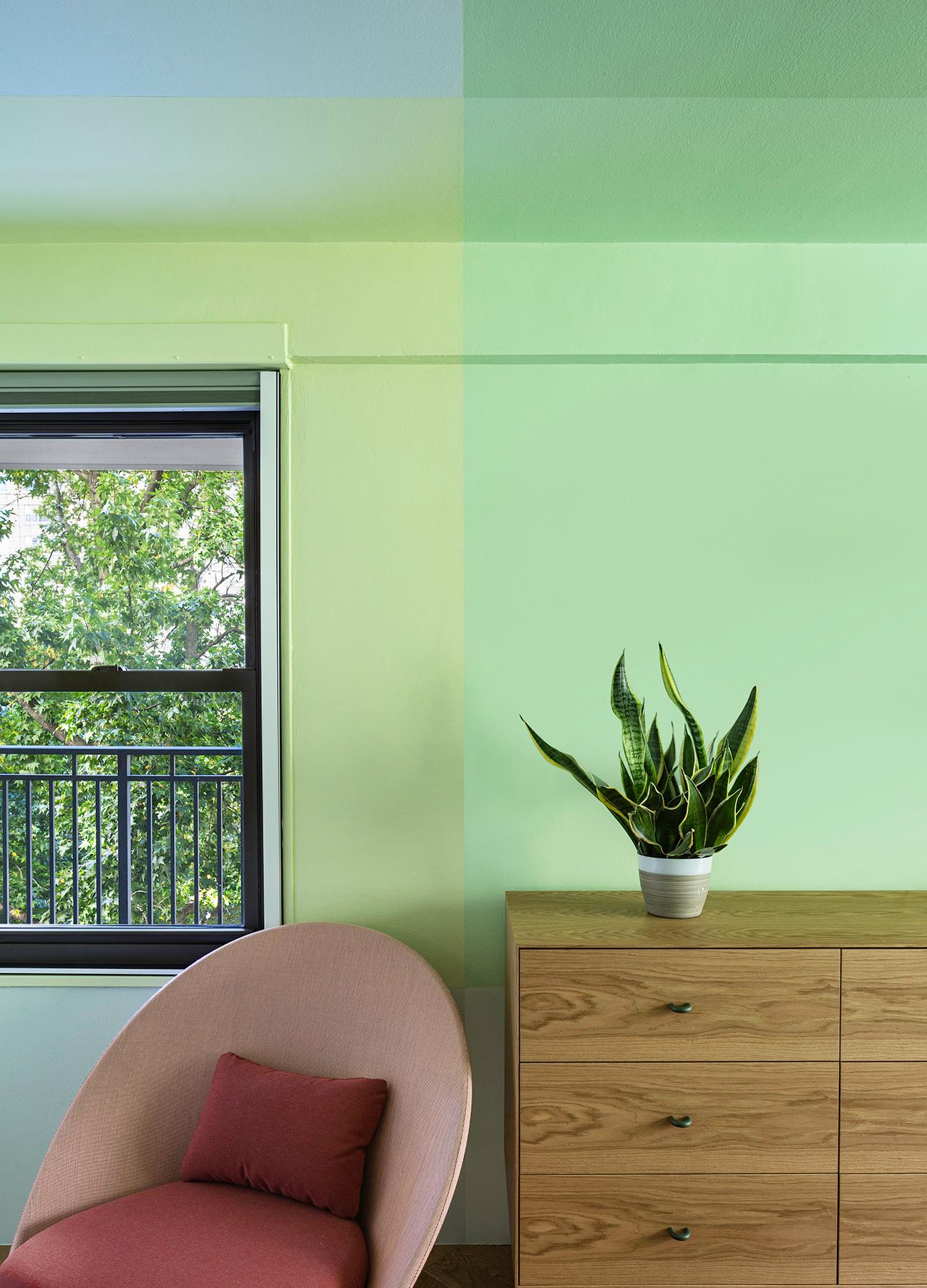
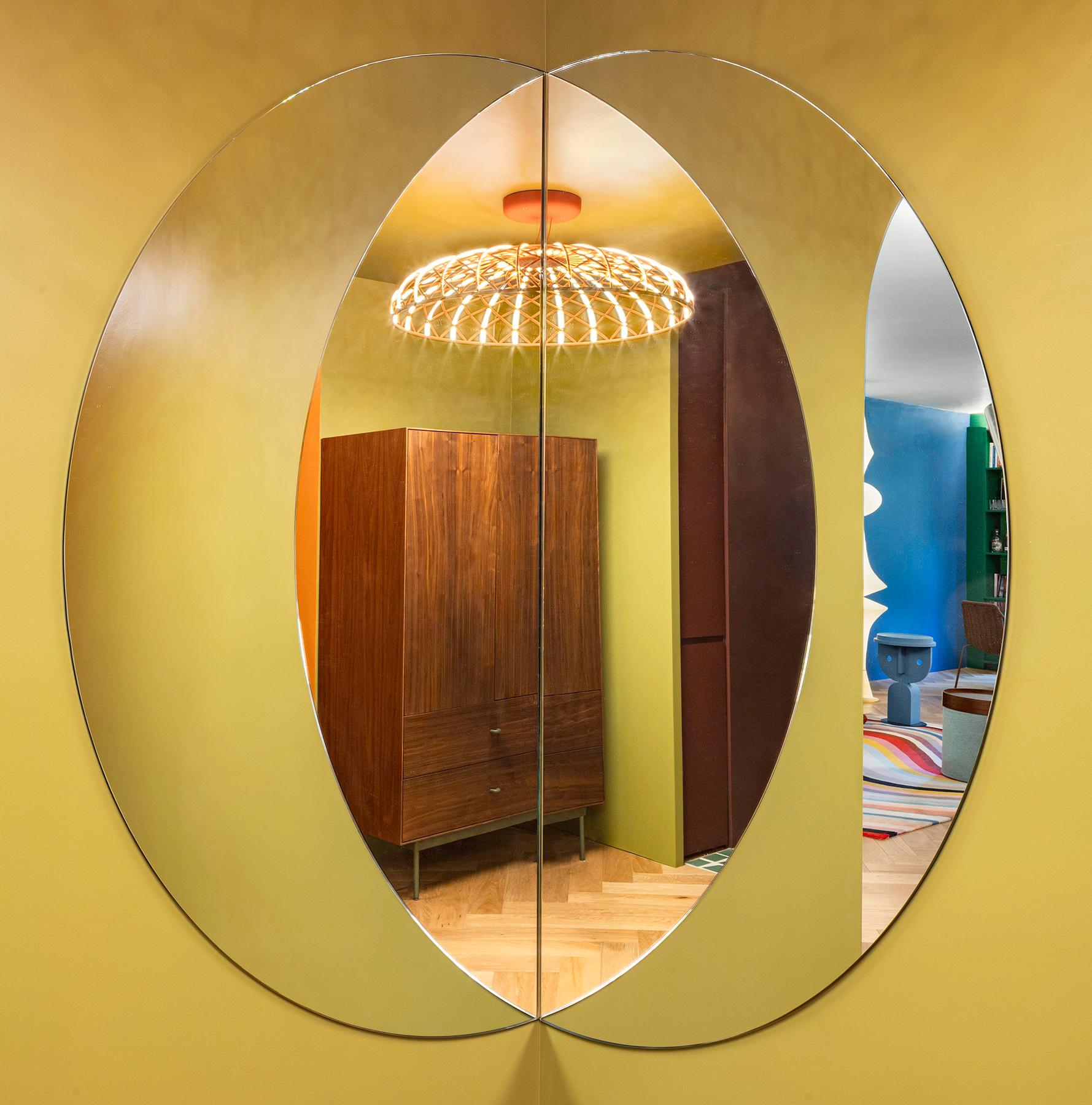
A vibrant yet carefully juxtapose color palette is applied to architectural surfaces to define spaces, guide movement, and generate atmosphere. Rather than serve as decoration, color is embedded within the geometry of the project, shaping walls and ceiling and reinforcing spatial relationships.
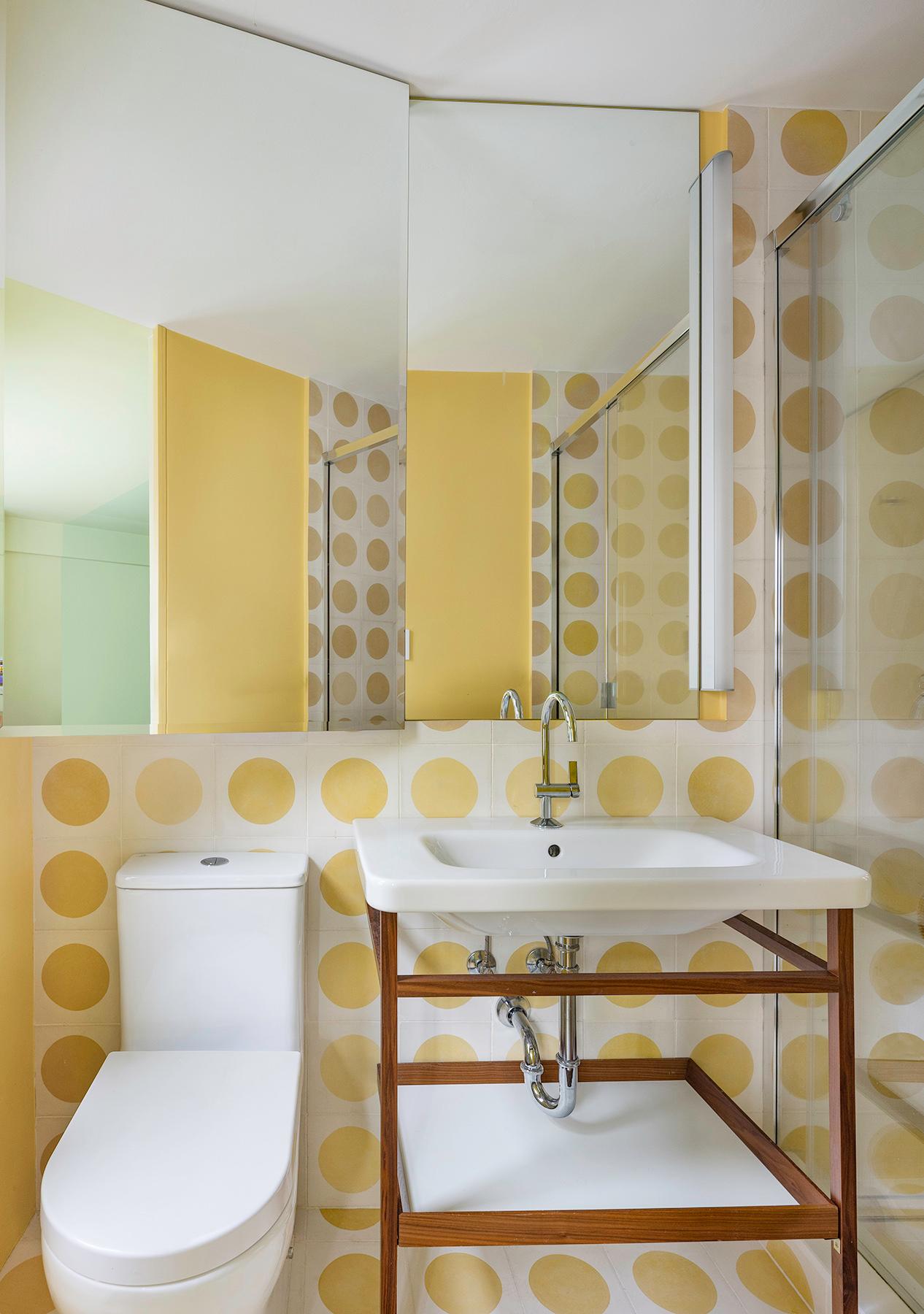
In addition to color, the design is structured around two other pillars: patterns and geometry. The circles painted on walls and ceilings and repeating in mirrors, rugs, tables and ottomans, act as a unifying motif throughout the apartment. Appearing at different scales, the arcs both connect and differentiate rooms, soften transitions, and establish spatial continuity, enhancing the perception of openness.
VENTILATION AND NATURAL LIGHT
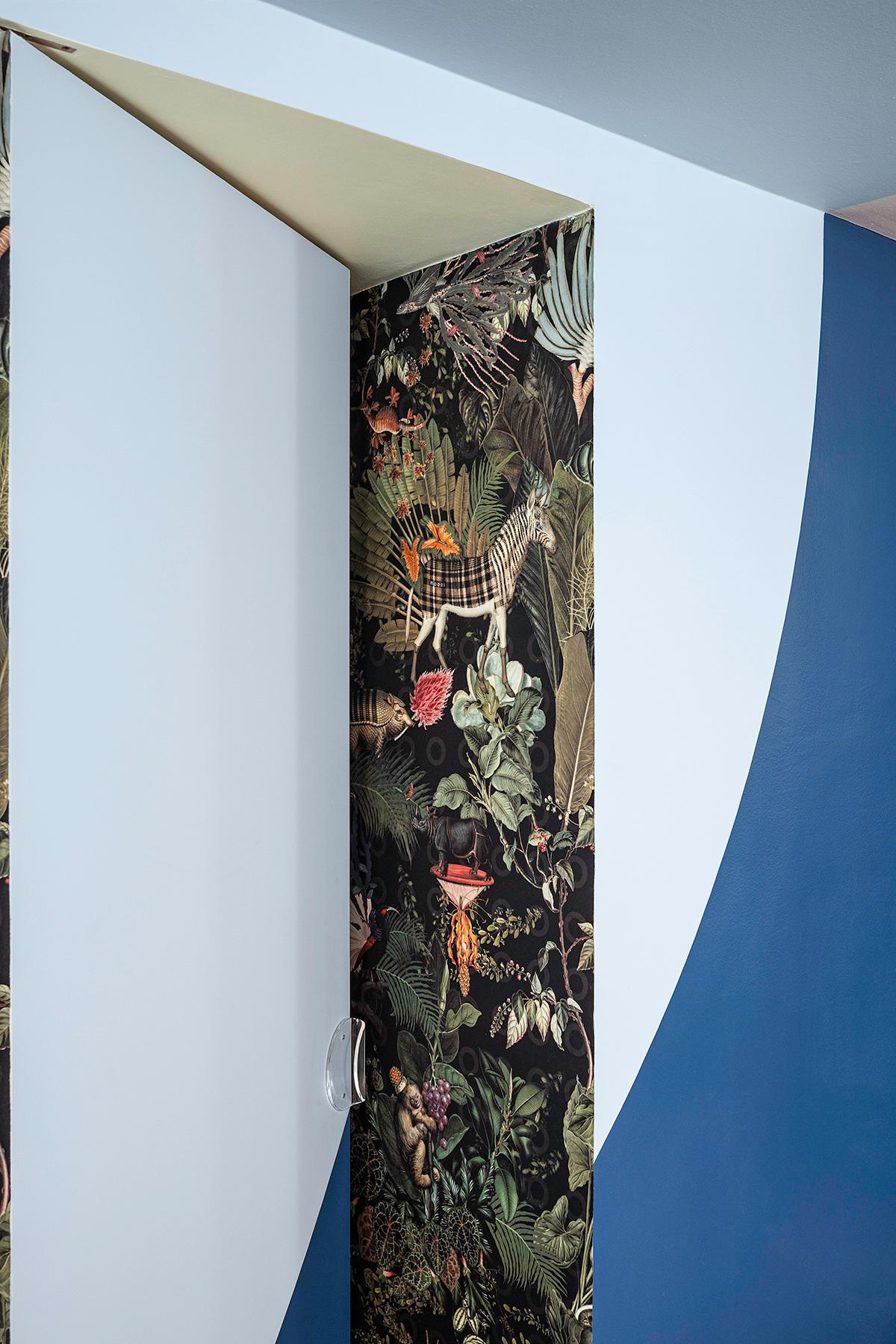
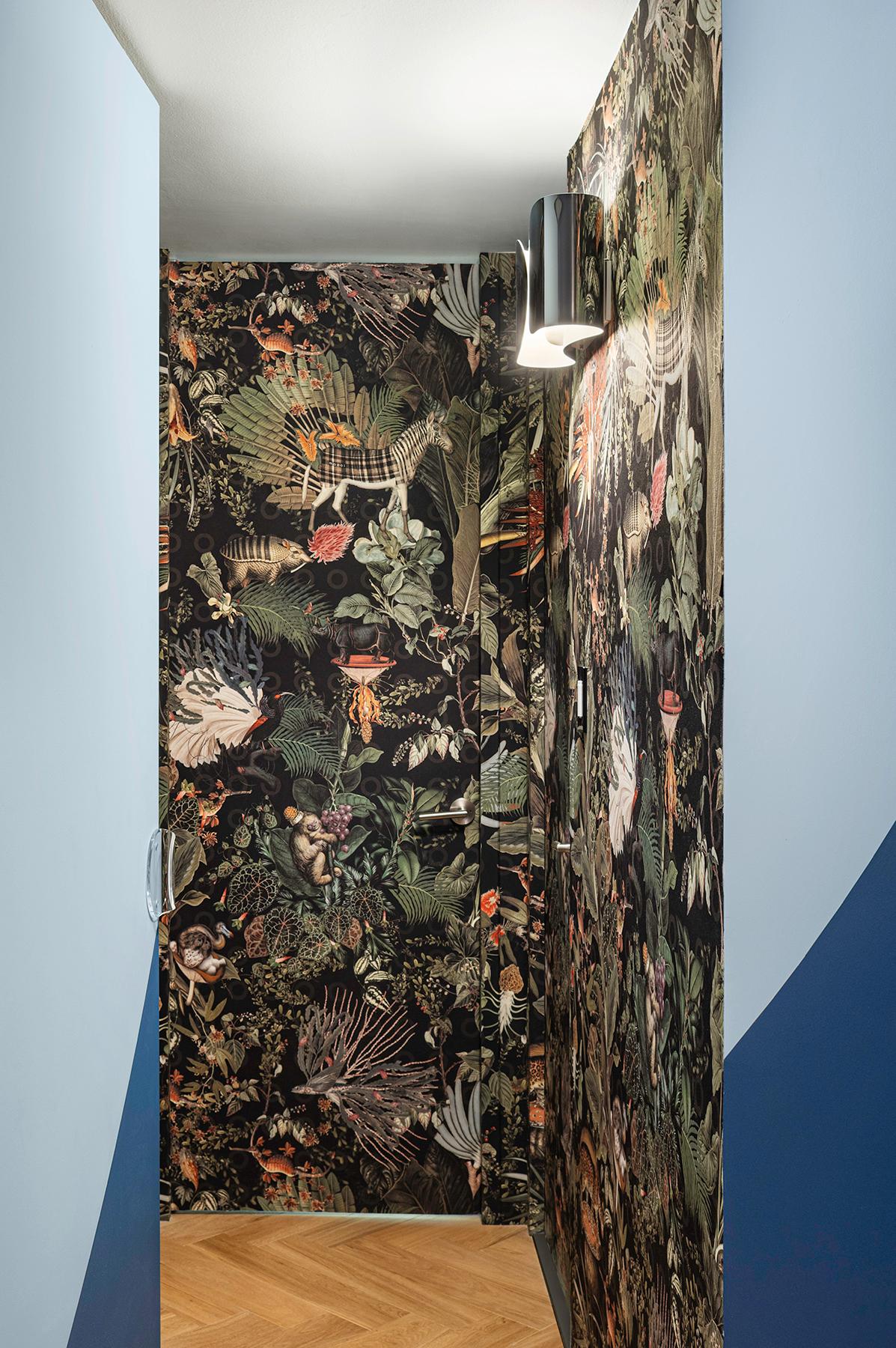
But it is color that creates the framework for this collage of unique design pieces, such as the Akari fixture by Noguchi or the Womb Chair by Saarinen. Textures and wall designs add depth and tactile richness to this chromatic strategy.
South facing windows allow daylight to interact dynamically with color, activating a palette that brings Mexico closer to New York.

KEY INFO
LOCATION
Nueva York, Estados Unidos
ARCHITECTS
Belén Moneo, Jeff Brock
ARCHITECTURE TEAM
Yaiza Camacho, Maite Rodríguez
CONTRACTOR
Chapter
PLANS AND DRAWINGS